
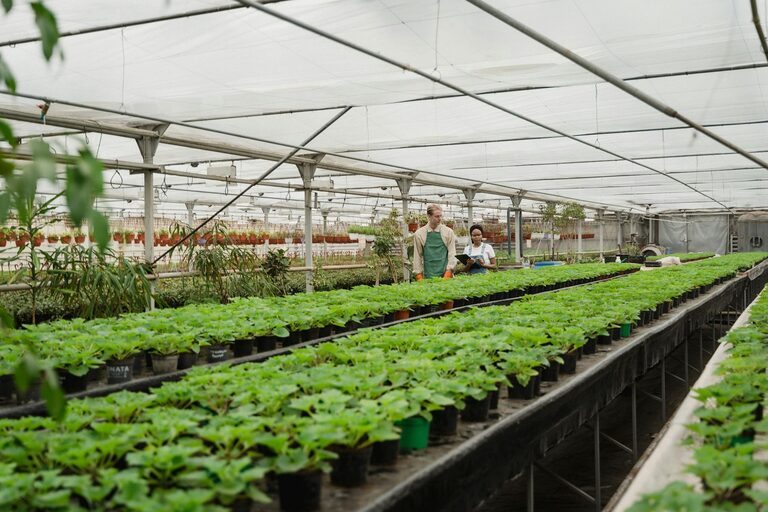
Creating a sustainable home garden is a rewarding way to connect with nature, grow your own fresh produce, and contribute to environmental health. By focusing on eco-friendly practices, you can maintain a thriving garden throughout all seasons. In this guide, we’ll explore practical tips for building and caring for a sustainable garden that flourishes year-round.
Why Choose a Sustainable Home Garden?
A sustainable garden helps conserve water, reduce waste, improve soil health, and support local wildlife. Beyond environmental benefits, sustainable gardening often leads to healthier plants and can lower your gardening costs over time. You do not need a large space to get started—small container gardens or raised beds can also be eco-friendly and productive.
—
Planning Your Sustainable Garden
Choose Native and Adapted Plants
Selecting plants that are native or well-adapted to your local climate reduces the need for excessive watering, fertilizers, and pesticides. Native plants support local pollinators and wildlife while being more resistant to local pests and diseases.
Create a Year-Round Planting Calendar
Plan your garden activities by seasons so you can rotate crops, add cover crops, and prepare soil for the next growing period. This approach helps maintain soil fertility and reduces pest buildup.
Use Raised Beds or Containers
Raised beds improve drainage, reduce soil compaction, and make it easier to manage soil amendments sustainably. Containers can be moved to maximize sunlight and protect plants from extreme weather.
—
Water Wisely
Harvest Rainwater
Collecting rainwater in barrels or tubs is a simple way to reduce reliance on municipal water and save money. Use this water for irrigating your garden plants during dry spells.
Water at Optimal Times
Water your garden early in the morning or late in the evening when temperatures are cooler to minimize evaporation loss.
Utilize Drip Irrigation Systems
Drip irrigation delivers water directly to plant roots gently and efficiently, reducing water waste.
—
Build Healthy Soil
Compost Regularly
Composting kitchen scraps, garden clippings, and leaves creates nutrient-rich soil amendments that improve soil structure and fertility naturally, reducing the need for chemical fertilizers.
Mulch to Retain Moisture and Suppress Weeds
Organic mulches like straw, shredded leaves, or grass clippings help retain moisture, protect roots from temperature extremes, and prevent weed growth.
Avoid Tilling Deeply
Minimize soil disturbance by reducing deep tilling; this maintains beneficial soil organisms and structure.
—
Practice Crop Rotation and Polyculture
Rotate Crops Annually
Grow different plant families in different spots each year to prevent soil nutrient depletion and reduce disease and pest problems.
Mix Plant Varieties
Planting a variety of crops together can naturally reduce pest pressure and encourage beneficial insects.
—
Encourage Beneficial Wildlife
Create Habitat for Pollinators
Plant flowers and herbs that bloom at different times of the year to provide nectar and pollen for bees, butterflies, and other pollinators.
Install Birdhouses and Bug Hotels
Providing shelter helps attract birds and beneficial insects that naturally control pests.
—
Reduce Waste and Use Natural Pest Control
Use Organic Pesticides and Natural Remedies
Avoid harsh chemicals. Instead, try neem oil, insecticidal soaps, or homemade garlic and chili sprays to manage pests safely.
Repurpose Materials
Reuse old containers, pallets, or scrap wood to create garden structures or planters, reducing waste and saving resources.
—
Seasonal Maintenance Tips
Spring
– Prepare soil by adding compost and mulch.
– Start seeds indoors for early planting.
– Prune dormant plants and trees.
Summer
– Mulch heavily to conserve moisture.
– Monitor plants for pests and diseases.
– Harvest crops regularly to encourage continued production.
Fall
– Plant cover crops to protect and enrich soil.
– Clean and store tools for winter.
– Collect seeds for next growing season.
Winter
– Plan your garden layout for the coming years.
– Maintain compost piles.
– Use cold frames or greenhouses to extend seasons for hardy plants.
—
Final Thoughts
Sustainable gardening is about working with nature rather than against it. With thoughtful planning and consistent care, your home garden can thrive all year while supporting the environment. Whether you have a large backyard or a balcony, adopting these eco-friendly practices will make gardening enjoyable and rewarding every season.
Happy gardening!