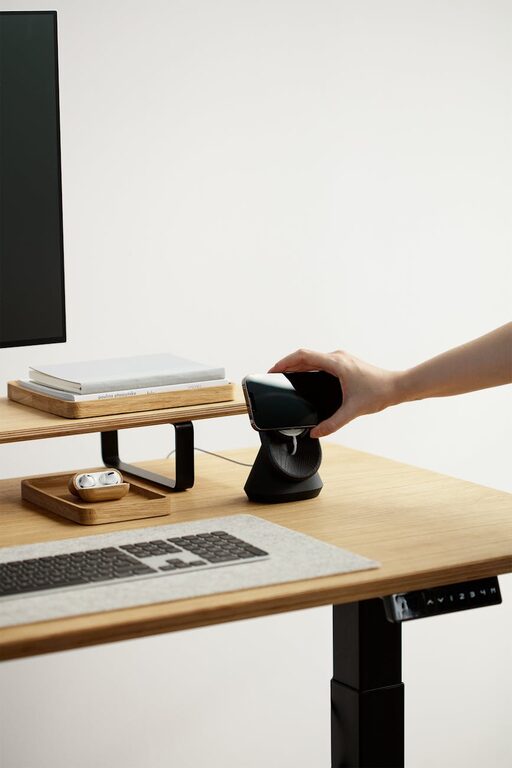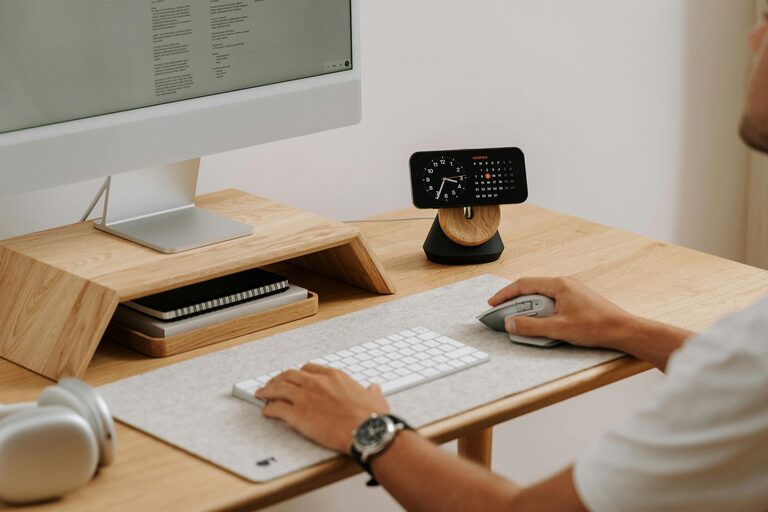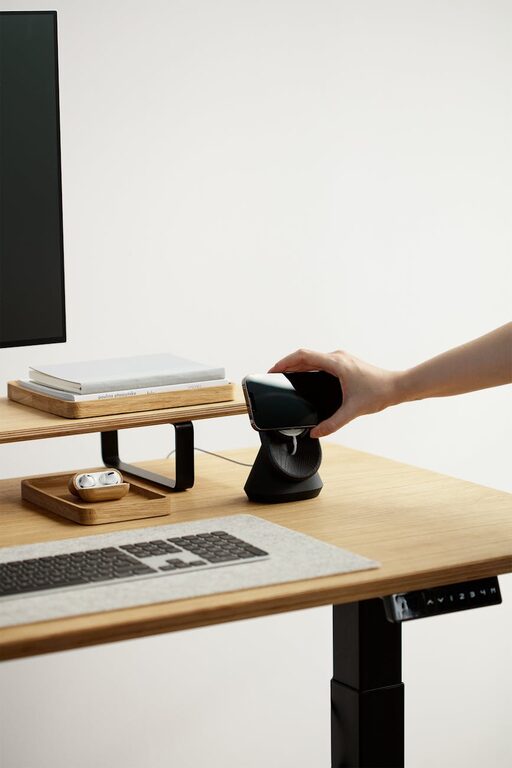
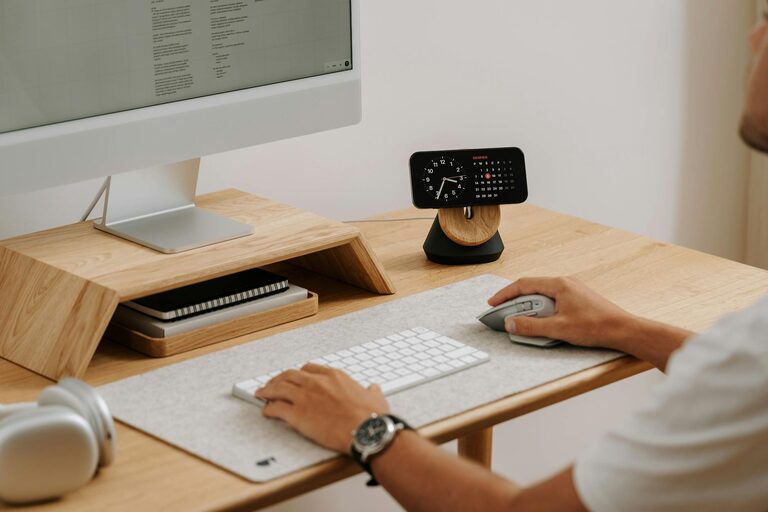
Creating a home office that balances comfort and productivity can make a big difference in your workday. Whether you’re new to working from home or have been doing it for a while, setting up a space that feels inviting and helps you stay focused is essential. In this post, we’ll explore practical tips to create a cozy yet productive home office that suits your needs.
Choose the Right Location
The first step in designing your home office is selecting the best spot. Here are some considerations:
– Natural Light: Try to set up near a window to benefit from natural light, which can boost mood and alertness.
– Quiet Area: Pick a place with minimal distractions where you can concentrate.
– Space: Make sure there’s enough room for your desk, chair, and any other equipment you need.
If space is limited, even a well-organized corner can become an effective workspace.
Invest in Comfortable Furniture
Comfort plays a vital role in productivity. Choose furniture that supports good posture and fits your style.
– Ergonomic Chair: A chair with adjustable height and good lumbar support reduces strain during long hours.
– Desk: Depending on your work, select a desk that provides enough surface area for your computer, documents, and accessories.
– Adjustable Options: Consider a standing desk or a desk converter if you want to switch between sitting and standing.
Adding cushions or a footrest can also enhance comfort.
Organize Your Space Efficiently
An organized workspace helps clear your mind and streamline tasks.
– Declutter Regularly: Keep only essentials on your desk to avoid distractions.
– Storage Solutions: Use shelves, drawers, or filing cabinets to store supplies and paperwork neatly.
– Cable Management: Use cable ties or organizers to keep cords tidy and prevent tangling.
Labeling storage containers can make it easier to find things quickly.
Personalize Your Workspace
A personalized office feels more inviting and motivating.
– Colors: Choose colors that calm or energize you, like soft blues for focus or warm tones for comfort.
– Decor: Add artwork, plants, or photos that inspire you but keep it simple to avoid clutter.
– Lighting: Supplement natural light with task lighting such as a desk lamp with adjustable brightness.
Small personal touches make spending time in your office more enjoyable.
Optimize Lighting for Productivity
Good lighting reduces eye strain and improves concentration.
– Natural Light: Make the most of daylight by positioning your desk near windows.
– Task Lighting: Use adjustable lamps for focused work, especially in the evening.
– Avoid Glare: Position screens to minimize glare from windows or lights.
Consider daylight bulbs that mimic natural light to create a bright and inviting atmosphere.
Create Zones for Different Activities
If your work includes calls, computer tasks, and brainstorming, dividing your area can help.
– Work Zone: The main desk area for computer-related tasks.
– Creative Zone: A space with a whiteboard or corkboard for notes and brainstorming.
– Relaxation Corner: A small seating area for breaks to refresh your mind.
Zoning encourages better workflow and reduces fatigue.
Maintain Healthy Habits
Your workspace influences your well-being.
– Take Breaks: Use a timer or app to remind yourself to stand, stretch, or walk around.
– Hydration: Keep water nearby and stay hydrated.
– Posture: Adjust your chair and monitor height to maintain a natural posture.
Healthy habits enhance both productivity and comfort.
Use Technology Wisely
Technology can support productivity but can also cause distractions.
– Essential Tools: Choose software and apps that help with task management, communication, and focus.
– Minimize Notifications: Turn off unnecessary notifications during work hours.
– Good Internet: Ensure your internet connection is reliable to avoid frustration.
Regularly update devices to maintain smooth performance.
Conclusion
Designing a cozy and productive home office doesn’t require a big budget or a large room. By choosing the right location, investing in comfortable furniture, organizing efficiently, and personalizing your space, you can create an environment that supports your work and well-being. Remember to consider lighting, zoning, healthy habits, and technology use as part of your setup. With these tips, your home office can become a welcoming space where you enjoy being productive each day.