
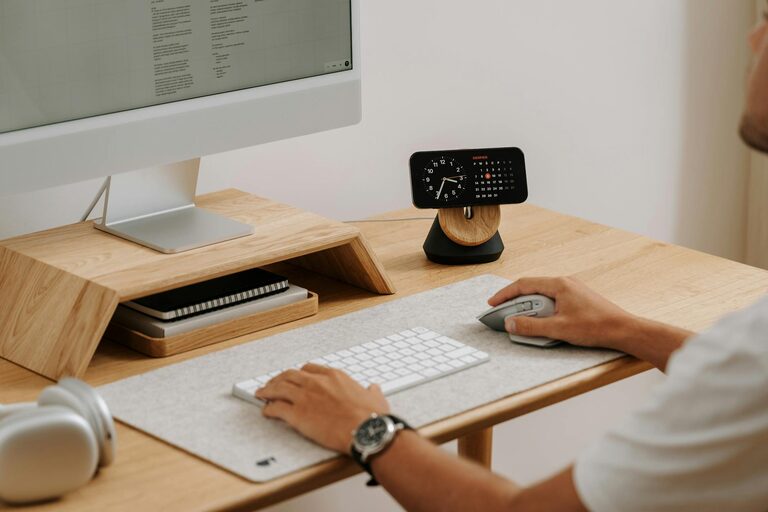
Creating a cozy and functional home workspace is essential for anyone who spends significant time working from home. A well-designed workspace enhances productivity, reduces stress, and encourages a healthy work-life balance. Whether you have a dedicated room or just a corner of the living room, there are easy ways to transform your space into a comfortable, efficient area that inspires focus and creativity. Here are some practical tips to help you create the perfect home office.
Choose the Right Location
When setting up your home workspace, location matters. Ideally, pick a spot with minimal distractions and good natural light.
– Natural Light: Position your desk near a window if possible. Natural light improves mood and reduces eye strain.
– Quiet Area: Choose a place away from high-traffic zones in your home to limit noise and interruptions.
– Space Availability: Ensure the area has enough room for your desk, chair, and any additional equipment or storage you need.
Invest in Ergonomic Furniture
Comfort is key when spending hours working at a desk. Ergonomic furniture supports your body and prevents aches or injuries.
– Adjustable Chair: Look for a chair with lumbar support, height adjustability, and cushioning.
– Desk Height: Your desk should allow your hands to rest comfortably at or slightly below elbow height when typing.
– Ergonomic Accessories: Consider a keyboard tray, wrist rests, or a monitor stand to promote good posture.
Prioritize Lighting
Good lighting reduces eye fatigue and creates a pleasant atmosphere.
– Layered Lighting: Combine natural light, overhead fixtures, and task lighting for flexibility.
– Desk Lamp: Use a desk lamp with adjustable brightness and direction to focus light on your work area.
– Avoid Harsh Glare: Position screens and lights to prevent reflections or shadows.
Organize with Storage Solutions
Clutter can hinder productivity. Keep your workspace tidy by using smart storage options.
– Shelving: Wall shelves free up desk space and keep supplies within reach.
– Drawers and Bins: Store documents, office tools, and personal items in drawers or labeled containers.
– Cable Management: Use cable clips or boxes to keep cords organized and prevent tangles.
Add Personal and Cozy Touches
A workspace that feels inviting can boost creativity and reduce stress.
– Plants: Small indoor plants improve air quality and add a touch of nature.
– Artwork and Decor: Hang meaningful artwork or photos to personalize your space.
– Textiles: A soft rug, cushions, or a cozy throw blanket can make your office more comfortable.
– Scent: Consider a subtle air freshener or candle with relaxing scents like lavender or eucalyptus. (Always follow safety guidelines for candles.)
Minimize Distractions
Creating clear boundaries between work and home life helps maintain focus.
– Dedicated Space: Keep your workspace separate from leisure areas if possible.
– Noise Control: Use noise-canceling headphones or white noise machines to block distractions.
– Digital Organization: Close unrelated tabs and silence non-essential notifications on your devices.
Use Technology Wisely
Technology should aid your work, not hinder it.
– Reliable Equipment: Invest in a quality computer, monitor, and accessories for smooth performance.
– Ergonomic Keyboard and Mouse: These tools reduce hand strain.
– Efficient Software: Use productivity apps, calendars, and project management tools to stay organized.
Incorporate Break and Movement Areas
Encouraging movement during breaks boosts health and focus.
– Stretching Spot: Leave a small clear area for stretching or light exercises.
– Comfortable Seating: Add a comfy chair or cushion for short breaks or reading.
– Water and Snacks: Keep a water bottle and healthy snacks nearby to stay hydrated and energized.
Maintain Cleanliness and Regular Updates
A clean and fresh environment supports mental clarity.
– Daily Tidying: Spend a few minutes at the end of each day to clear your desk and organize materials.
– Declutter Regularly: Periodically review your supplies and remove what you no longer need.
– Update Setup: Reassess your workspace layout and tools occasionally to ensure they still meet your needs.
—
Creating a cozy and functional home workspace doesn’t require a large budget or complicated renovations. By focusing on comfort, organization, lighting, and personal touches, you can design a space that makes working from home enjoyable and productive. Start with one or two changes, and gradually customize your workspace to perfectly fit your style and workflow. Happy decorating!