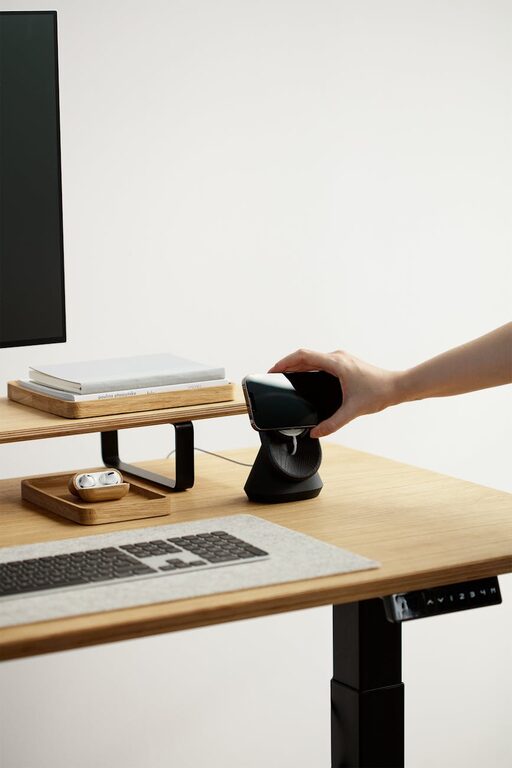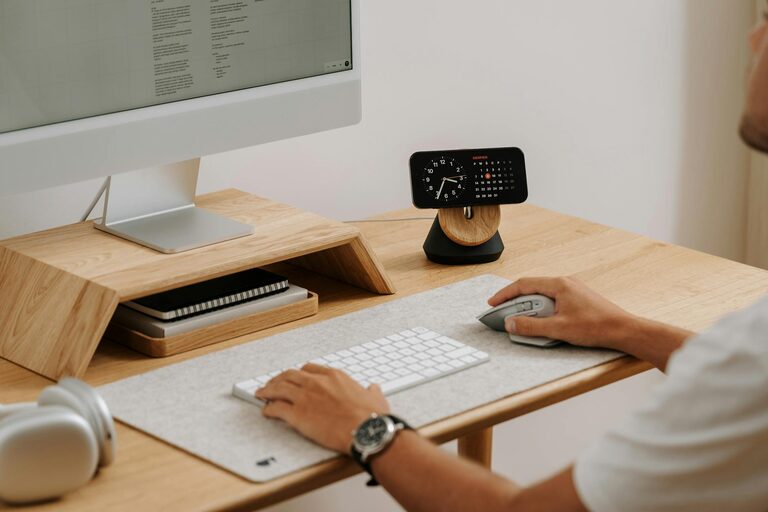
Creating a home workspace that is both cozy and functional can significantly improve your productivity and overall well-being. Whether you work remotely full-time or occasionally need a dedicated spot for personal projects, a well-designed workspace helps you focus and feel comfortable throughout the day. This guide will walk you through practical tips to create a space that balances comfort with efficiency.
Why a Cozy and Functional Workspace Matters
Spending hours in an uncomfortable or cluttered area can lead to distractions, fatigue, and lack of motivation. A cozy workspace—with good lighting, ergonomic furniture, and personal touches—invites you to settle in and stay productive. Meanwhile, functionality ensures that everything you need is within reach and organized, reducing frustration and saving time.
Step 1: Choose the Right Location
Find a Quiet Spot
Look for a place in your home with minimal distractions and noise. If possible, avoid high-traffic areas like the kitchen or living room. A quiet corner or spare room works well.
Prioritize Natural Light
Natural light can boost mood and energy levels. Position your desk near a window if you can. If natural light is limited, add soft, adjustable lighting to reduce eye strain.
Consider Space and Privacy
Make sure your chosen spot has enough room for your desk and chair, plus any storage solutions. If you share your living space, consider ways to add privacy, such as room dividers or noise-cancelling headphones.
Step 2: Invest in Ergonomic Furniture
Choose a Comfortable Chair
An ergonomic chair supports good posture and prevents back pain. Look for adjustable features—height, lumbar support, and armrests—to customize your seating.
Find a Suitable Desk
Select a desk height that allows your arms to rest comfortably at a 90-degree angle while typing. If space is limited, a compact desk or wall-mounted foldable desk can optimize your area.
Consider Standing Options
Adding a sit-stand desk converter or adjustable desk lets you switch positions, helping reduce fatigue from sitting too long.
Step 3: Organize With Purpose
Use Storage Solutions
Keep your workspace tidy with desk organizers, shelves, or filing cabinets. Assign specific spots for office supplies, documents, and gadgets.
Minimize Clutter
Only keep essentials on your desk to avoid distractions. Use cable organizers to manage cords and keep surfaces clear.
Create Zones
Designate areas for different tasks—for example, a main area for computer work, a side spot for writing, or space for creative brainstorming. This separation helps focus and efficiency.
Step 4: Add Personal and Cozy Touches
Choose Calming Colors
Use colors that promote calm and concentration, such as soft blues, greens, or neutrals. Paint an accent wall or add accessories in these shades.
Incorporate Textiles
Add a cozy rug, soft cushions, or a throw blanket to make your workspace welcoming and comfortable.
Bring in Nature
Houseplants improve air quality and create a serene atmosphere. Choose easy-care plants like succulents or pothos.
Display Personal Items
Photos, artwork, or meaningful objects can boost your mood and make the space feel more like your own.
Step 5: Optimize Lighting and Technology
Layer Lighting
Combine natural light with ambient and task lighting. A desk lamp with adjustable brightness helps when working after dark.
Use Quality Tech Tools
Invest in reliable, efficient tools—such as a good monitor, keyboard, and headset—to improve your workflow and reduce strain.
Manage Noise
Consider white noise machines or background music playlists if you need help focusing amid household sounds.
Step 6: Establish Daily Habits for a Productive Workspace
Keep It Clean Daily
Take a few minutes each day to tidy your workspace. A neat space promotes clear thinking.
Take Breaks to Move
Stand up, stretch, or take a brief walk every hour to stay refreshed.
Personalize Your Routine
Incorporate rituals like a morning coffee or a short meditation to signal the start of work and boost focus.
Final Thoughts
Designing a cozy and functional home workspace doesn’t require a full renovation. Small adjustments like choosing the right chair, organizing your supplies, and adding personal touches can make a big difference. By creating a space that feels inviting and supports your work needs, you’ll enjoy both comfort and productivity every day. Start with these tips and adapt your workspace to fit your unique style and routine!